
Varicose Veins
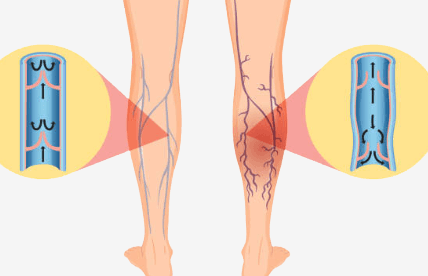
Varicose veins are swollen, twisted veins found just beneath the skin, commonly in the legs. They usually appear blue or red and can cause itching or discomfort.
Varicose veins occur when the one-way valves in your veins weaken or become damaged, leading to blood pooling and flowing backward. Various factors can contribute to this condition, including:
- Aging
- Pregnancy
- Obesity
- Lack of physical activity
- Family history
- Prolonged standing or sitting
While varicose veins are typically not a serious medical issue, they can cause discomfort and, in some cases, lead to more significant complications.
Symptoms
Common signs of varicose veins include:
- Fatigue
- Itching
- Leg cramps at night
- Reduced physical activity
- Skin issues, such as rashes or rednes
- Swelling in the legs
- Blood clots
- Sores
Preventions
To prevent the progression of varicose veins, consider these measures:
- Stay active and engage in regular physical activity
- Maintain a healthy body weight
- Elevate your legs while resting
- Avoid crossing your legs while sitting
- Choose loose-fitting clothing
- Limit prolonged periods of standing
Genicular Artery Embolization
GAE refers to Genicular Artery Embolization, a minimally invasive procedure to alleviate knee pain, or it can also stand for the Georgia Association of Educators.
For treating knee pain caused by osteoarthritis (OA):
- How it works: An interventional radiologist uses X-ray guidance to direct a catheter to the knee and inject tiny beads that block abnormal blood vessels. This process helps reduce inflammation and pain.
- Benefits: GAE offers both immediate and long-term pain relief, potentially reducing reliance on pain medications. It serves as an alternative to knee replacement surgery.
- Success rate: The procedure is technically successful in 99.7% of cases.
About the treatment
Varicose veins are a condition where superficial veins become enlarged and twisted, most commonly in the legs, though they can develop in other areas of the body as well.