
Peripheral Artery Disease
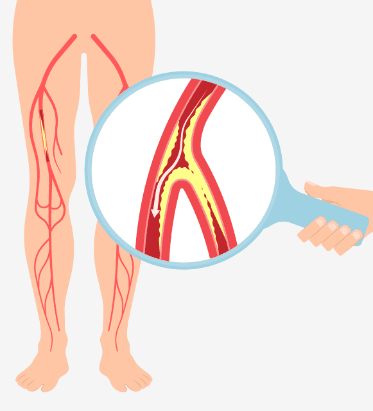
A circulatory condition where narrowed blood vessels limit blood flow to the limbs.
Peripheral artery disease (PAD) is a long-term condition characterized by the narrowing or blockage of arteries, which restricts blood flow to the legs, arms, head, stomach, or kidneys.
Causes
Peripheral Artery Disease (PAD) is commonly caused by atherosclerosis, a condition in which plaque, a sticky substance composed of fat and cholesterol, accumulates in the arteries.
Symptoms
The condition may present with the following signs:
- Pain, cramping, or discomfort in the affected limb during activities like walking or climbing stairs
- Pain that subsides with rest
- Numbness or weakness in the affected limb
- Coldness in the affected limb, especially when compared to the other side
- Slow-healing or non-healing sores or wounds on the affected limb
- Changes in skin color, such as pale or bluish tones
- Weak or absent pulses in the affected limb
Risk factors
The risk factors for Peripheral Artery Disease (PAD) include:
- Smoking
- Advancing age
- Diabetes
- Elevated blood cholesterol levels
- High blood pressure
- Heart disease
- History of stroke
- Obesity
- Kidney disease
Detecting and treating PAD early can help lower the risk of severe complications, including heart attack, gangrene, and amputation.
About the treatment
Peripheral vascular disease is caused by the accumulation of fatty deposits and calcium in the artery walls, a condition known as atherosclerosis. Risk factors include aging, diabetes, and smoking. Symptoms often include leg pain, especially during walking. Effective treatments typically include quitting tobacco, exercising, and maintaining a healthy diet. If these lifestyle changes are insufficient, medications or surgery may be necessary.